
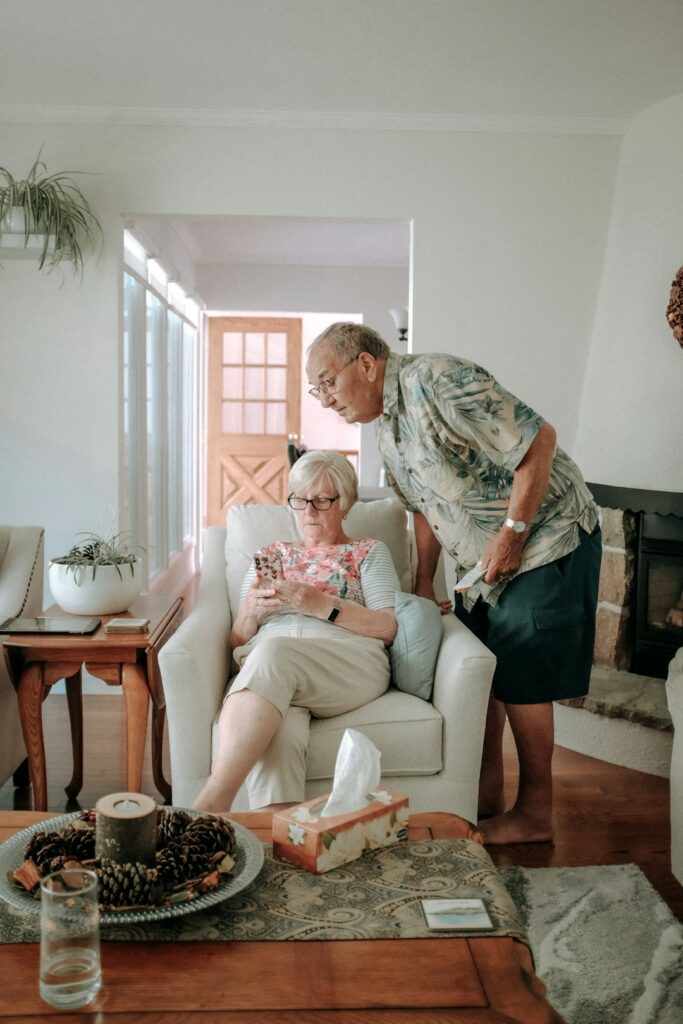
Moving into assisted living can bring relief, uncertainty, or both. A familiar room, a predictable routine, and meaningful personal choices can help a new residence feel less like a facility and more like home. For residents and families in Dillsburg, PA, the adjustment is often easier when comfort is planned around the person’s habits, memories, relationships, and everyday preferences.
What helps assisted living feel like home?
Assisted living feels more familiar when residents can recognize their surroundings, follow routines that make sense to them, and continue activities that give their days meaning. The goal is not to recreate an entire former household. It is to preserve the parts of home that support comfort, identity, and independence.
A sense of home may come from ordinary details such as:
- A favorite chair positioned near a window
- Familiar bedding, artwork, or family photographs
- A preferred time for waking, bathing, meals, and rest
- Regular access to music, books, puzzles, crafts, or television programs
- Familiar snacks, seasonal decorations, or personal scents
- Visits that feel relaxed rather than rushed
These details can reduce confusion and give residents a stronger sense of control during a major life transition.
How should a resident’s room be arranged?
A resident’s room should be comfortable, easy to navigate, and arranged around daily habits. Too many belongings can create fall hazards or make the space difficult to clean, while too few personal items may make the room feel temporary.
Before moving in, consider the resident’s usual routines. If reading is important, place a sturdy chair and reading light where they can be used safely. If the resident enjoys looking through family photographs, display a small number at eye level. A familiar blanket, clock, calendar, or piece of artwork can provide reassuring visual cues.
Safety should guide placement:
- Keep walkways clear, especially between the bed, bathroom, and seating area.
- Avoid loose rugs, unstable furniture, and trailing electrical cords.
- Use lighting that reduces shadows and glare.
- Label clothing and personal items when appropriate.
- Keep frequently used objects within easy reach.
Room arrangements may need to change as mobility, vision, hearing, or memory changes. A setup that works well at move-in may need adjustment later.
Which personal belongings matter most?
The most useful belongings are usually those that carry emotional meaning or support familiar routines. Families do not need to move an entire household. A smaller selection of meaningful items is often easier to manage and more effective than a crowded room.
Useful choices may include a favorite quilt, a familiar lamp, framed photographs, a small collection of books, religious or cultural items, or a well-loved hobby object. If the resident has lived in the same home for many years, familiar textures and colors may be especially reassuring.
It is also helpful to create a simple inventory of valuable or sentimental items. Families can photograph belongings and record where they are kept. This can reduce confusion if items are moved during cleaning, maintenance, or room changes.
How can routines support emotional comfort?
Predictable routines help residents understand what to expect. Regular meal times, consistent medication schedules, and familiar morning and evening habits can make the day feel more manageable.
A routine should not become unnecessarily rigid. Residents still need choices, flexibility, and opportunities to express preferences. For example, a person may prefer breakfast later, enjoy getting dressed before leaving the room, or want quiet time after lunch.
Families can share practical information about habits that may not appear in a medical record, such as:
- Whether the resident prefers conversation or quiet in the morning
- Favorite foods and foods they avoid
- Typical bedtime and waking patterns
- Past work, hobbies, household responsibilities, or traditions
- Signs of fatigue, anxiety, pain, or overstimulation
- Ways the resident usually communicates discomfort

This information can help caregivers respond to the person rather than treating every resident’s routine the same way.
What can families do after move-in?
Family involvement remains valuable after the transition, but visits may work best when they are consistent and low-pressure. A short visit focused on a familiar activity can be more comfortable than a long visit filled with questions.
Visitors might sort photographs, listen to music, fold laundry, share a snack, walk through an outdoor area, or watch a favorite program together. These activities create connection without requiring the resident to carry the entire conversation.
For residents in Dillsburg, seasonal changes may also shape routines. Winter weather can limit outdoor time, while spring, summer, and fall may offer more opportunities for sitting outside, gardening activities, or short walks when conditions are safe. Families can bring seasonal touches indoors through flowers, photographs, decorations, or familiar foods.
If a resident becomes upset during visits, that does not necessarily mean the visit was harmful or unwelcome. Fatigue, pain, hunger, noise, or changes in memory may affect mood. Families can try shorter visits, quieter settings, or different times of day.
How can residents maintain independence?
Feeling at home includes having meaningful control over daily life. Independence does not always mean performing every task without assistance. It may mean choosing clothing, deciding where to sit, arranging personal items, or participating in a familiar chore.
Residents may be able to help with simple activities such as folding towels, watering plants, organizing photographs, setting out napkins, or choosing music. The task should match the person’s abilities and should not create unnecessary risk.
Care should be offered in a way that preserves dignity. Allowing extra time, explaining what will happen next, and offering two clear choices can reduce frustration. A person may respond better to “Would you like the blue sweater or the green one?” than to an open-ended question requiring too many decisions.
What if the resident has memory loss?
A familiar environment can be particularly helpful for someone living with dementia or another condition that affects memory. Clear visual cues, consistent furniture placement, good lighting, and reduced clutter may make daily activities easier.
Simple signs or labeled drawers can help a resident find the bathroom, closet, or personal belongings. A memory display near the room entrance may provide recognition and conversation prompts, but it should be updated if photographs or information become confusing.
Correction is not always the most helpful response when a resident is mistaken. Calm reassurance, redirection, and acknowledgment of feelings may work better than arguing about details. If a resident repeatedly asks to go “home,” the underlying need may be comfort, familiarity, security, or connection rather than a literal request to leave.
New or sudden confusion should not automatically be treated as a normal part of aging. Pain, infection, medication effects, dehydration, poor sleep, or other health concerns can cause changes in behavior and attention. Sudden changes should be brought to the attention of appropriate care staff or a medical professional.
How can the living space reflect identity?
A home is more than furniture. It reflects a person’s history, culture, relationships, faith, work, and interests. Personal identity can be supported through familiar music, preferred foods, holiday traditions, language, photographs, clothing choices, and activities connected to the resident’s past.
Families can create a short “about me” page describing the resident’s preferences and life history. This might include preferred names, important relationships, conversation topics, calming activities, and routines that have personal meaning. The information should be shared respectfully and updated as the resident’s needs change.
A comfortable assisted living environment develops over time. It may require rearranging furniture, adding a familiar item, changing the visit schedule, or adjusting activities as the resident settles in. The most successful approach is usually observant and flexible: notice what brings calm and engagement, then build more of the day around those experiences.
