

Personalized care plans help assisted living residents receive support based on their actual needs, preferences, routines, and goals. Rather than treating every resident the same, a care plan provides a practical guide for daily assistance while preserving as much independence as possible.
What is a personalized care plan?
A personalized care plan is a written, regularly updated description of how an assisted living resident should be supported. It typically addresses health needs, daily routines, personal preferences, safety concerns, communication habits, and changes that staff or family members should watch for.
The plan may include:
- Assistance with bathing, dressing, grooming, or toileting
- Medication reminders or medication-related support
- Mobility needs, including walkers, wheelchairs, or fall precautions
- Meal preferences, food allergies, and swallowing concerns
- Sleep patterns and nighttime assistance
- Communication preferences and cognitive changes
- Interests, social habits, and meaningful activities
- Emergency contacts and important medical information
The goal is not to label a person or limit choices. A well-designed plan explains what support is needed, what the resident can do independently, and how assistance should be provided respectfully.
Why does individualized care matter in assisted living?
Individualized care can improve safety, comfort, and quality of life because older adults do not have identical abilities or routines. Two residents of the same age may have very different mobility, memory, medication, nutrition, and social needs.
A resident who walks independently during the day may need extra assistance at night. Another person may be physically strong but require reminders because of memory loss. Someone else may need help with dressing but remain fully capable of making decisions about clothing, meals, activities, and personal schedules.
A care plan helps distinguish between these situations. This can reduce unnecessary assistance while making sure important needs are not overlooked.
Personalized planning also supports dignity. Assistance is more respectful when it follows the resident’s preferred pace, communication style, cultural practices, and personal boundaries.
How are care plans created?
Care planning usually begins with an assessment of the resident’s physical, cognitive, emotional, and social needs. Information may come from the resident, family members, physicians, nurses, therapists, medication records, and observations of daily activities.
The resident’s own input should be central whenever possible. Useful questions may include:
- What parts of the day feel easiest or most difficult?
- Which activities are important to maintain?
- What type of help feels comfortable?
- Are there routines that support better sleep or mood?
- What situations cause confusion, frustration, or anxiety?
- Are there foods, religious practices, or personal habits that should be respected?
Family members can provide helpful background, especially when memory loss makes it difficult to describe past routines. However, family preferences should not automatically replace the resident’s current wishes when the resident can express informed choices.
A practical plan should be specific. “Needs support with mobility” is less useful than “uses a rolling walker and needs standby assistance when moving from the bedroom to the bathroom at night.”
What should a care plan include?
A complete plan should explain both the resident’s needs and the preferred method of support. It should not focus only on problems or diagnoses.
Important areas often include:
Daily activities
The plan may describe the amount of assistance needed with bathing, dressing, grooming, eating, toileting, and transferring between surfaces. It should clarify whether the resident needs reminders, setup help, physical assistance, or complete support.
Mobility and fall prevention
Mobility instructions can identify the safest footwear, walking equipment, transfer methods, and times when supervision is needed. Seasonal conditions may also affect planning. In Dillsburg, winter ice, snow, wet entryways, and shorter daylight hours can create additional hazards around entrances and outdoor paths.
Health conditions and medications
The plan should identify relevant diagnoses, medication schedules, allergies, dietary restrictions, symptoms to monitor, and instructions for responding to changes. It should also clarify which tasks require licensed clinical oversight under applicable regulations.
Memory and communication
A resident with dementia or another cognitive condition may respond better to short instructions, familiar routines, visual cues, or extra time to answer questions. The plan can explain how to reduce confusion and what signs may indicate distress, illness, or a change in functioning.
Personal preferences
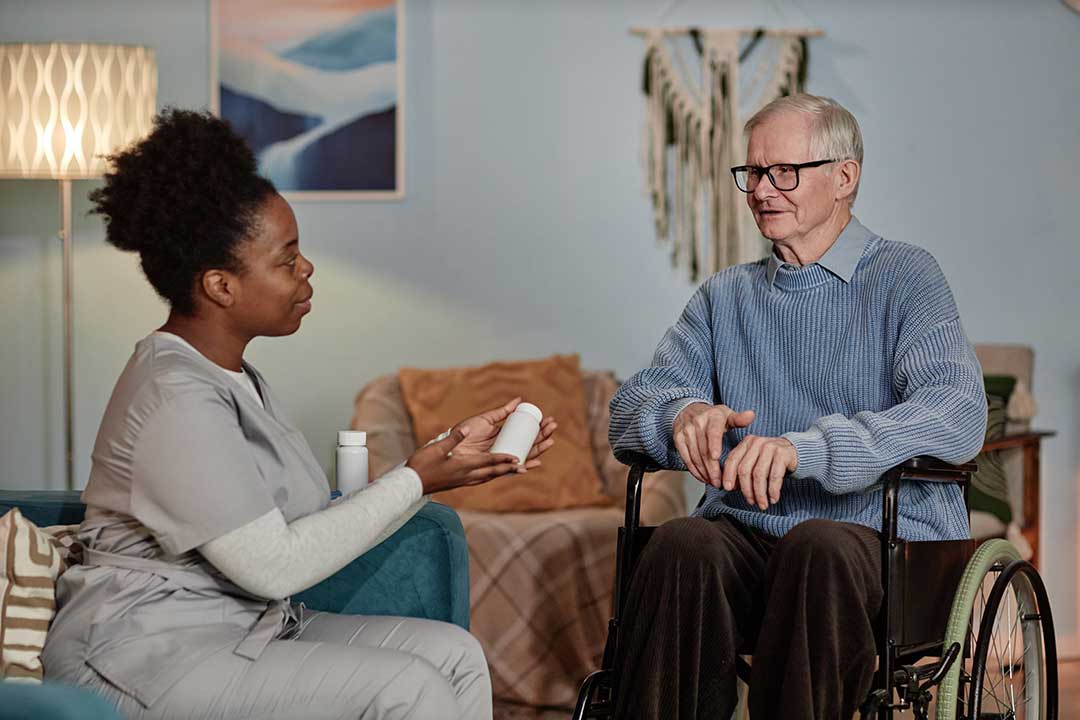
Preferences about clothing, bathing times, food, music, quiet time, visitors, faith practices, hobbies, and social activities can make daily life feel more familiar. These details are not minor additions; they help care feel personal rather than mechanical.
How often should a care plan be reviewed?
Care plans should be reviewed regularly and whenever a significant change occurs. A review may be needed after a fall, hospital stay, medication change, new diagnosis, noticeable weight loss, worsening confusion, repeated refusal of care, or a change in mobility.
A plan that was accurate six months ago may no longer match the resident’s abilities. Regular review helps prevent two common problems:
- Providing too much assistance, which can reduce independence
- Providing too little assistance, which can increase frustration or safety risks
Families can ask how care changes are documented, who is notified, and how quickly the plan is updated after a major event. Clear communication is especially useful when several relatives are involved in decision-making.
What are common misunderstandings about personalized care?
One misconception is that a care plan is permanent. In practice, it should change as needs change. Aging, illness, recovery, medication effects, and emotional adjustment can all affect the right level of support.
Another misunderstanding is that personalization means fulfilling every request without limits. A resident’s preferences deserve respect, but care must also account for safety, legal requirements, medical instructions, and the rights of other residents.
Some families also assume that a diagnosis automatically determines the care approach. A diagnosis provides important information, but it does not describe the whole person. Residents with the same condition may have different strengths, behaviors, interests, and support needs.
A further concern is that written plans may become too general. Details such as “assist as needed” can be unclear. Better documentation describes what assistance means and when it should occur.
How can families participate constructively?
Families can help by sharing accurate information and focusing on current needs rather than only past abilities. Helpful details may include longstanding routines, preferred foods, signs of discomfort, methods that calm anxiety, and activities that encourage participation.
It is also useful to ask specific questions:
- What can the resident still do independently?
- Which tasks require supervision or hands-on assistance?
- What changes should be reported to the family?
- How are refusals of care handled?
- What happens if the resident’s needs increase?
- When will the plan be reviewed again?
Families should also listen to the resident’s perspective. A person may accept help with one task but want privacy or independence with another. Small choices—such as selecting clothing, choosing between two meals, or deciding when to join an activity—can preserve control and self-esteem.
What does a strong care plan look like in daily life?
A strong plan can be seen in consistent, respectful actions. Staff know how the resident prefers to receive help, recognize changes from the usual routine, and understand which abilities should be encouraged rather than replaced.
For example, a resident may need assistance preparing for a shower but be able to wash independently once supplies are arranged. Another may need reminders to attend meals but be able to choose foods and eat without help. A resident with limited mobility may still enjoy gardening, conversation, music, or outdoor time if the activity is adapted safely.
Personalized care planning is most effective when it remains practical, current, and centered on the resident’s voice. It connects health information with everyday life, helping assisted living support safety without losing sight of independence, preferences, and personal dignity.
